

Fresh Goods Refrigerated Transport in UAE – Reliable Cold Chain Solutions for Perishable Delivery

Fresh goods refrigerated transport plays a crucial role in ensuring that perishable products reach their destination in perfect condition. In the UAE, where high temperatures can quickly affect product quality, businesses depend on efficient temperature-controlled logistics to maintain freshness and safety.
From fruits and vegetables to dairy, meat, and seafood, proper refrigerated transport is essential for preserving quality throughout the supply chain. This comprehensive, SEO-optimized guide explains everything about fresh goods refrigerated transport in the UAE, including its importance, features, process, pricing, and benefits for businesses.
What is Fresh Goods Refrigerated Transport?
Fresh goods refrigerated transport refers to the movement of perishable items using temperature-controlled vehicles designed to maintain specific cooling conditions during transit.
These services are part of a larger cold chain logistics system, ensuring that products remain fresh from the point of origin to the final delivery destination.
Common Fresh Goods Transported:
- Fruits and vegetables
- Dairy products (milk, cheese, yogurt)
- Meat and poultry
- Seafood
- Frozen and chilled food items
- Bakery and confectionery products
Importance of Refrigerated Transport in UAE
The UAE’s climate presents unique challenges for transporting fresh goods. Without proper cooling systems, perishable products can spoil rapidly, leading to losses and safety concerns.
Why Refrigerated Transport is Essential:
- Maintains product freshness and quality
- Prevents bacterial growth and contamination
- Ensures compliance with food safety regulations
- Reduces product spoilage and wastage
- Enhances customer satisfaction and trust
Key Temperature Requirements for Fresh Goods
Different products require specific temperature ranges to maintain their quality.
Standard Temperature Guidelines:
- Fresh produce: 0°C to 5°C
- Dairy products: 2°C to 4°C
- Meat and poultry: 0°C to 4°C
- Seafood: -1°C to 2°C
- Frozen goods: -18°C or lower
Maintaining these temperature ranges is critical for preserving freshness and extending shelf life.
Features of Fresh Goods Refrigerated Transport Services
Professional refrigerated transport services in the UAE offer advanced features to ensure efficient and safe delivery.
Advanced Cooling Systems
Modern refrigeration units provide consistent and reliable temperature control throughout the journey.
Real-Time Temperature Monitoring
Tracking systems allow businesses to monitor temperature and location in real time.
Insulated Vehicles
High-quality insulation prevents external heat from affecting internal conditions.
Hygienic and Food-Grade Interiors
Vehicles are cleaned and sanitized regularly to meet strict hygiene standards.
Flexible Delivery Options
- Same-day delivery
- Scheduled deliveries
- On-demand transport services
Types of Refrigerated Vehicles Used
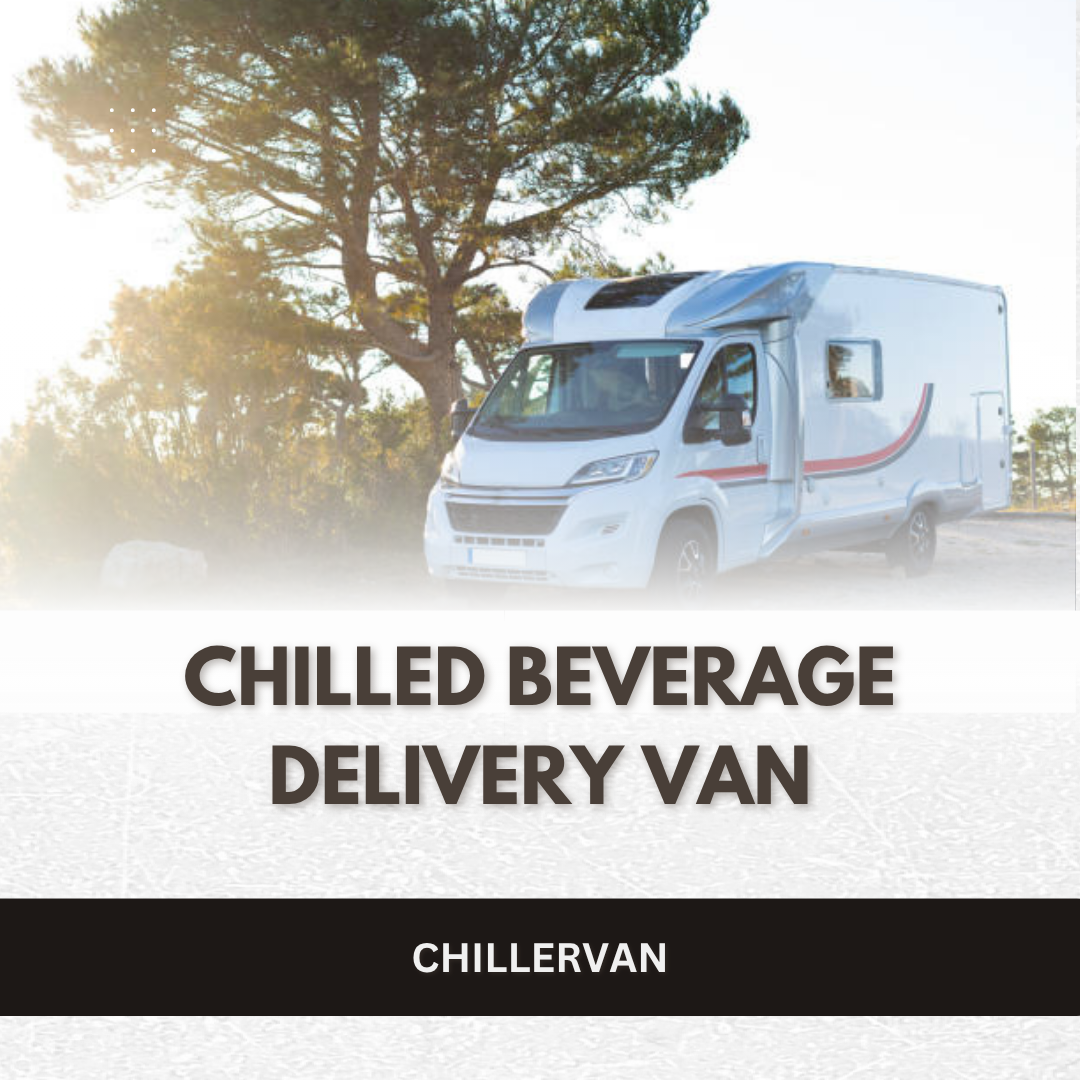
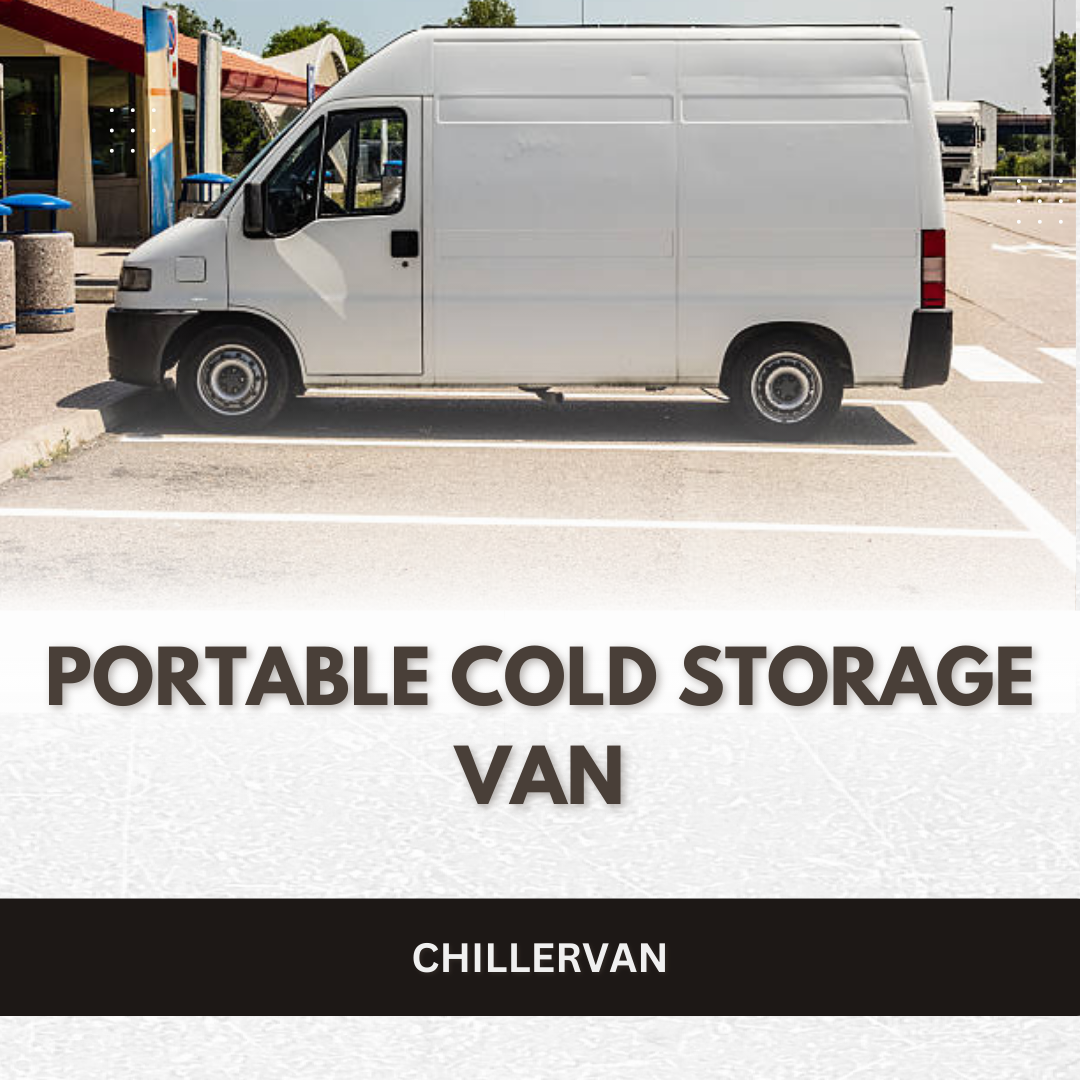
Chiller Vans
Ideal for short-distance deliveries and small quantities of fresh goods.
Freezer Vans
Used for transporting frozen and highly temperature-sensitive items.
Refrigerated Trucks
Suitable for bulk deliveries and long-distance transport.
Benefits of Fresh Goods Refrigerated Transport
1. Maintains Freshness
Proper temperature control ensures that goods remain fresh during transit.
2. Extends Shelf Life
Refrigeration slows down spoilage, increasing product longevity.
3. Ensures Food Safety
Prevents contamination and bacterial growth.
4. Improves Business Reputation
Reliable delivery services enhance customer satisfaction.
5. Reduces Financial Losses
Minimizes wastage and product damage.
Fresh Goods Transport Process
Step 1: Booking the Service
Customers provide details such as type of goods, quantity, and required temperature.
Step 2: Pre-Cooling the Vehicle
The refrigerated vehicle is cooled to the required temperature before loading.
Step 3: Loading the Goods
Products are carefully loaded to ensure proper airflow and temperature consistency.
Step 4: Transportation
Continuous monitoring ensures stable temperature conditions throughout transit.
Step 5: Delivery
Goods are delivered safely while maintaining freshness and quality.
Industries That Rely on Refrigerated Transport
Food and Beverage Industry
Restaurants, supermarkets, and catering companies depend on refrigerated transport for daily operations.
Agriculture Sector
Farmers and suppliers use cold transport to deliver fresh produce to markets.
Retail Chains
Supermarkets rely on efficient logistics to keep shelves stocked with fresh products.
Hospitality Industry
Hotels and catering services require consistent supply of fresh ingredients.
Challenges in Fresh Goods Refrigerated Transport
High Ambient Temperatures
Extreme heat in the UAE can impact cooling efficiency.
Traffic and Delays
Delivery delays can affect product freshness.
Equipment Maintenance
Refrigeration units require regular servicing to function effectively.
Handling and Packaging Issues
Improper packaging can compromise temperature control.
How to Choose the Best Refrigerated Transport Service in UAE
Experience and Reliability
Select a provider with a strong track record in fresh goods transport.
Modern Fleet
Ensure the availability of well-maintained refrigerated vehicles.
Temperature Monitoring Systems
Advanced tracking ensures transparency and reliability.
Customer Support
Responsive service is essential for smooth operations.
Competitive Pricing
Look for transparent pricing structures in AED.
Cost of Fresh Goods Refrigerated Transport in UAE
Pricing depends on various operational factors.
Key Cost Factors:
- Distance of delivery
- Type of vehicle used
- Temperature requirements
- Delivery urgency
- Duration of service
Estimated Prices in AED:
- Chiller van (local delivery): AED 150 – AED 300
- Freezer van (medium distance): AED 300 – AED 600
- Refrigerated truck (bulk delivery): AED 800 – AED 1500+
Best Practices for Transporting Fresh Goods
- Use proper insulated packaging
- Avoid overloading vehicles
- Maintain consistent temperature settings
- Minimize door openings during transit
- Schedule deliveries during cooler hours
- Regularly service refrigeration equipment
Role of Technology in Refrigerated Transport
Technology is transforming refrigerated logistics in the UAE.
Key Innovations:
- GPS tracking systems
- Smart temperature sensors
- Automated route optimization
- Digital logistics management platforms
These advancements improve efficiency, reduce risks, and enhance service quality.
Future of Fresh Goods Refrigerated Transport in UAE
The demand for fresh goods delivery is increasing rapidly due to the growth of e-commerce and food services.
Emerging Trends:
- Eco-friendly refrigerated vehicles
- AI-based logistics planning
- Increased demand for same-day delivery
- Expansion of cold chain infrastructure
Frequently Asked Questions (FAQs)
1. What is refrigerated transport used for?
It is used to transport perishable goods such as food, dairy, meat, and seafood under controlled temperatures.
2. Why is refrigerated transport important in UAE?
High temperatures can spoil fresh goods quickly, making temperature control essential.
3. What temperature is required for fresh food transport?
Most fresh foods require temperatures between 0°C and 5°C.
4. Can I track my shipment during delivery?
Yes, most services provide real-time GPS and temperature tracking.
5. Is refrigerated transport available for small deliveries?
Yes, chiller vans are ideal for small and short-distance deliveries.
Conclusion
Fresh goods refrigerated transport in the UAE is essential for maintaining product quality, safety, and freshness in a challenging climate. Businesses across various industries rely on efficient cold chain logistics to deliver perishable goods without compromising quality.





There are no comments